
Guyana business update · Source report: 2026-09-20
A September 20 Department of Public Information report, citing the mid-year update, said 69 shade houses were constructed during the first half of 2026, benefiting more than 460 farmers. A further 131 were targeted for the second half. These are reported first-half results and a later target, rather than 69 structures completed during the past week.
Look beyond the structure itself
Protected growing can create demand for related products and services: seedlings, irrigation equipment, growing supplies, maintenance and transport. These are possible market connections, not evidence that contracts are available. The best opportunity for an individual supplier depends on location, crop choice, purchasing schedules and growers’ budgets.
Start with the buyer’s requirements
A grower approaching a shop, restaurant or wholesaler can ask about weekly quantities, preferred grades, packaging and delivery windows. Understanding those requirements before expanding production helps avoid a mismatch between what is grown and what a buyer can accept. Shade-house investment alone does not guarantee a profitable crop.
On a marketplace listing, suppliers can make comparisons easier by stating dimensions, materials, included components and delivery coverage. Produce sellers should keep availability current and distinguish an expected harvest from stock ready for collection. Accurate information is especially valuable when both sides are arranging transport.
Source: Department of Public Information report, 2026-09-20. The business implications above are ADSGY editorial analysis, not claims made by the source.
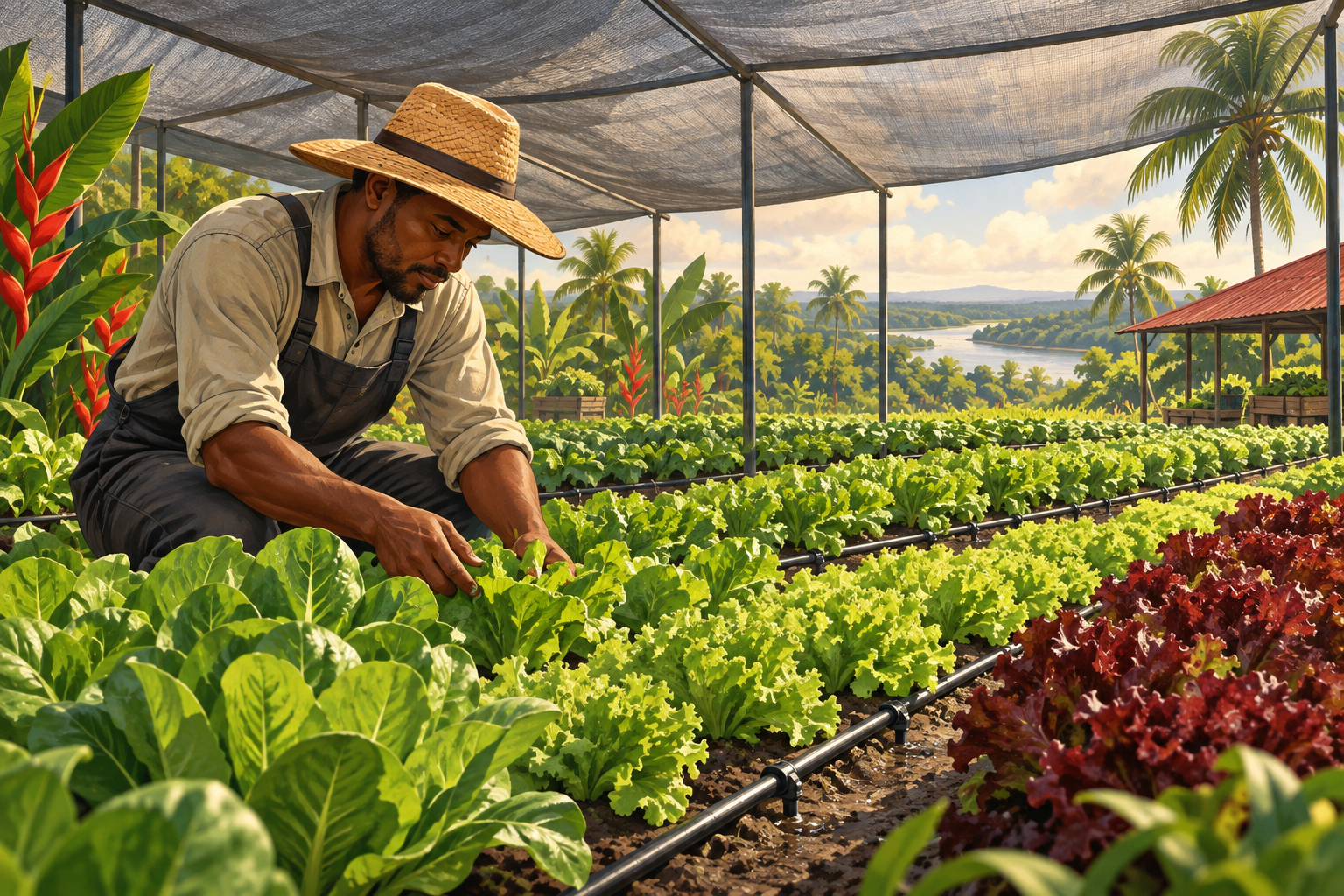
Featured image: AI-generated illustration, not a photograph of the reported event or project.
Have a relevant product, service or vacancy? Create an ADSGY listing with accurate details and current availability.